Congress of Oppressed Nationalities closes in Rome
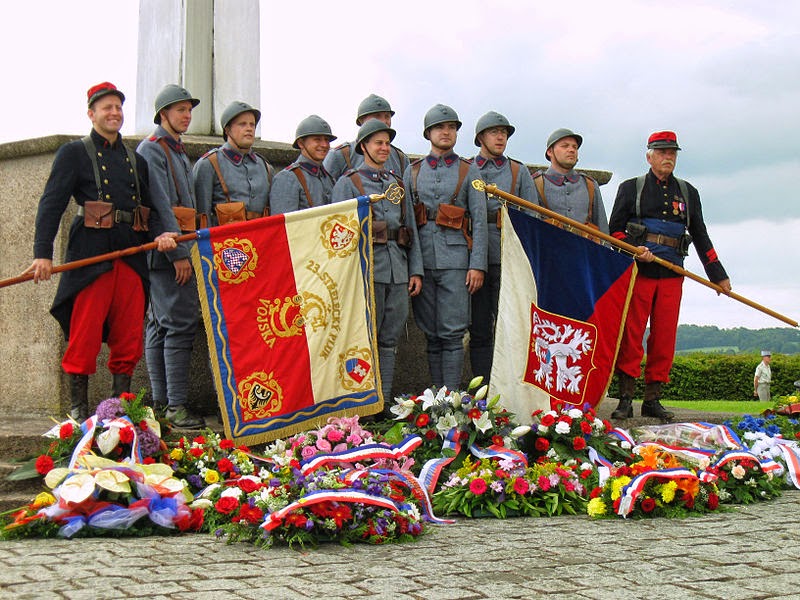
The Congress of Oppressed Nationalities convened in Rome Italy during the second week of April 1918 closes on April 10 after representatives from the Czechoslovak South Slav (or Yugoslav) Romanian and Polish National Committees proclaim their right to become completely independent national States after World War I ends.U.S.President Woodrow Wilsons call for self-determination for all nations in his famous Fourteen Points speech delivered in January 1918 began a decisive year in the history of the diverse peoples of central and eastern Europe.Americas entry into the war brought renewed hope to the exhausted AlliesFrance Britain and Italyand made them far more receptive to plans made by representatives of the Czech and South Slav populations now under control of the Austro-Hungarian Empire.
Even Italy with its hopes of territorial expansion along the Dalmatian coast chose to support the right of the South Slavs to independence.With Russia out of the war the other Allies no longer had to respect that nations claims to Poland and they also began to defend the notion of a reorganized independent Poland that would emerge when the war had been won.The Congress of Oppressed Nationalities was sponsored by the Alliesparticularly France and Italyand designed to encourage the minority populations of different ethnicities inside Germany and particularly Austria-Hungary to assert their right to self-determination and rebel against their oppressors thus weakening the Central Powers and making an Allied victory more likely.The congresss closing vote on April 10 denounced the Hapsburg government as an impediment to the rightful freedom and development of the nations and called for the dismemberment of Austria-Hungary once it had been defeated in the war.As the delegates who attended the congress recognized the future of the central and eastern European peoplesto a greater extent than that of anyone else in Europe or the rest of the worldrested wholly on the outcome of World War I.
If the Central Powers proved victorious which still seemed possible in the spring of 1918 the different nationalities living in the Austro-Hungarian Empire would be given autonomous status but would remain under the control of the empire now ruled by Emperor Karl I of Austria.If the Entente proved victorious on the other hand the empire would be broken into pieces with the South Slavs joined in a large state ruled by the Serbian monarchy and the Czechs and Slovaks united into a single state Czechoslovakia.In both cases Poland would likely gain its independence and would serve as a buffer between Europe and the vast expanse of the newly created Soviet state.