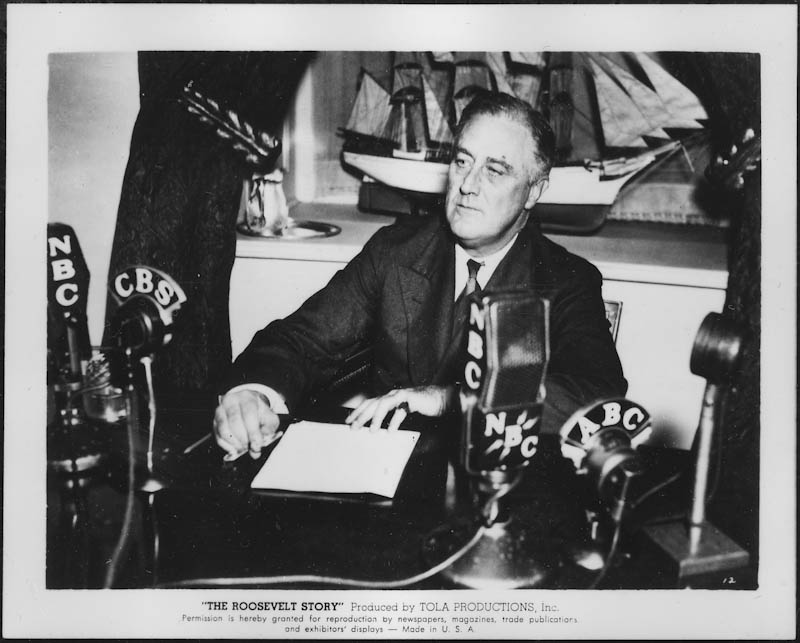
FDR signs Emergency Relief Appropriation Act
President Franklin D.Roosevelt authorizes almost 5 million to implement work-relief programs on this day in 1935.Hoping to lift the country out of the crippling Great Depression Congress allowed the president to use the funds at his discretion.
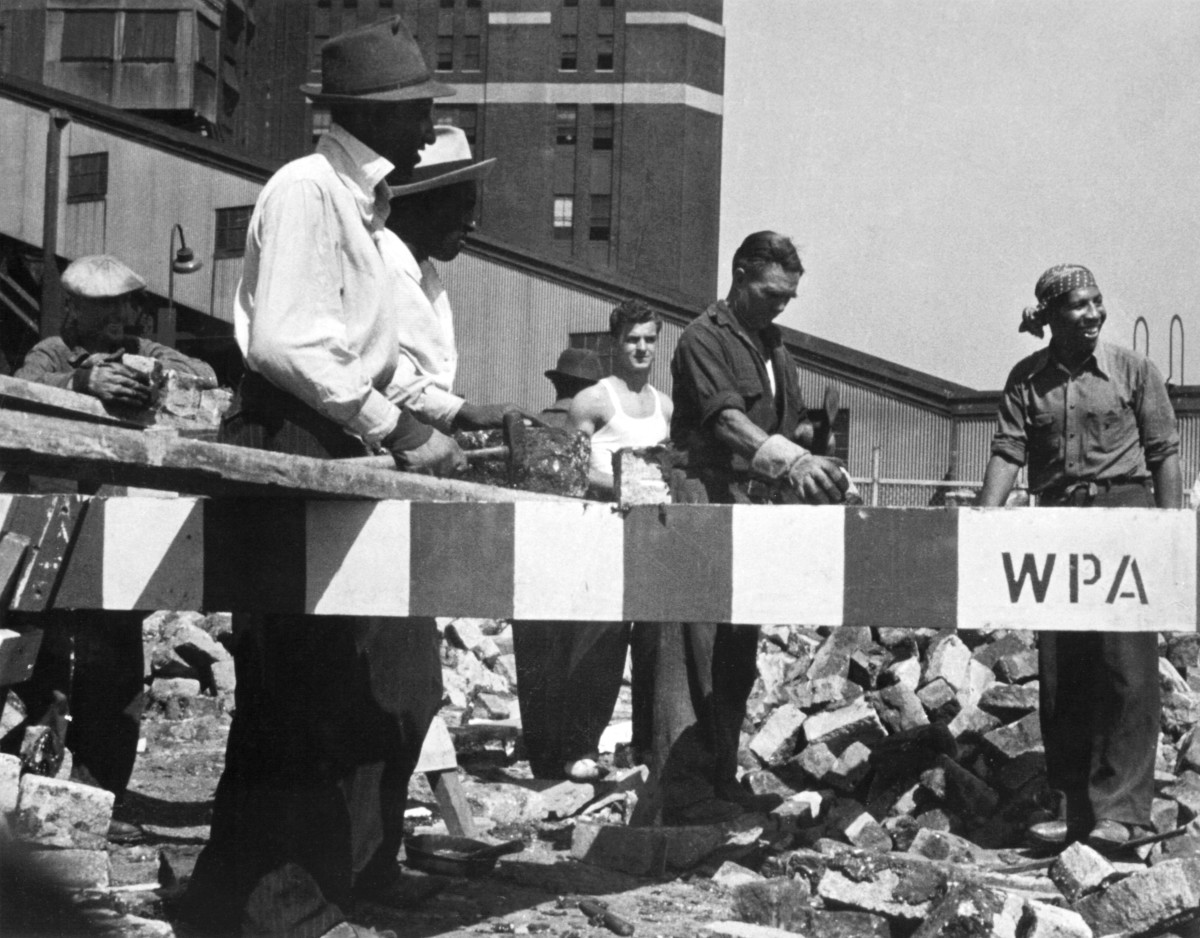
The act was unprecedented and remains the largest system of public-assistance relief programs in the nations history.One of the most notable federal agencies FDR created with the Emergency Relief Appropriation Act was the Works Progress Administration one of several New Deal programs FDR hoped would relieve the chronic and widespread unemployment citizens faced during the Depression.While FDR believed in the elementary principles of justice and fairness he also expressed disdain for doling out welfare to able workers.The WPA the Public Works Administration (PWA) and other federal-assistance programs created by the act put Americans to work in return for temporary financial assistance.
To prevent the act from harming private enterprise Roosevelt included a provision that prohibited federal programs from competing with independent businesses by placing wage and price controls on federally funded products and services.Workers with the WPA built highways schools hospitals airports and playgrounds.They even restored theaters such as the Dock Street Theater in Charleston South Carolina and built the ski lodge at Oregons Mt.Hood.
The WPA also put actors writers and other creative-arts professionals back to work by sponsoring federally funded plays and art projects.For its part the PWA funded the construction of New Yorks Triborough Bridge and the Lincoln Tunnel as well as the port at Brownsville Texas.From 1935 FDR lobbied Congress annually to continue funding the ERA Act.In total the act allocated approximately 880 million in federal funds and created millions of jobs although historians disagree about the long-term value of most of the WPAs projects.
In 1940 the economy roared back to life with the surge in defense-industry production and in 1943 Congress suspended many of the programs under the ERA Act including the WPA and the PWA.