RAF founded
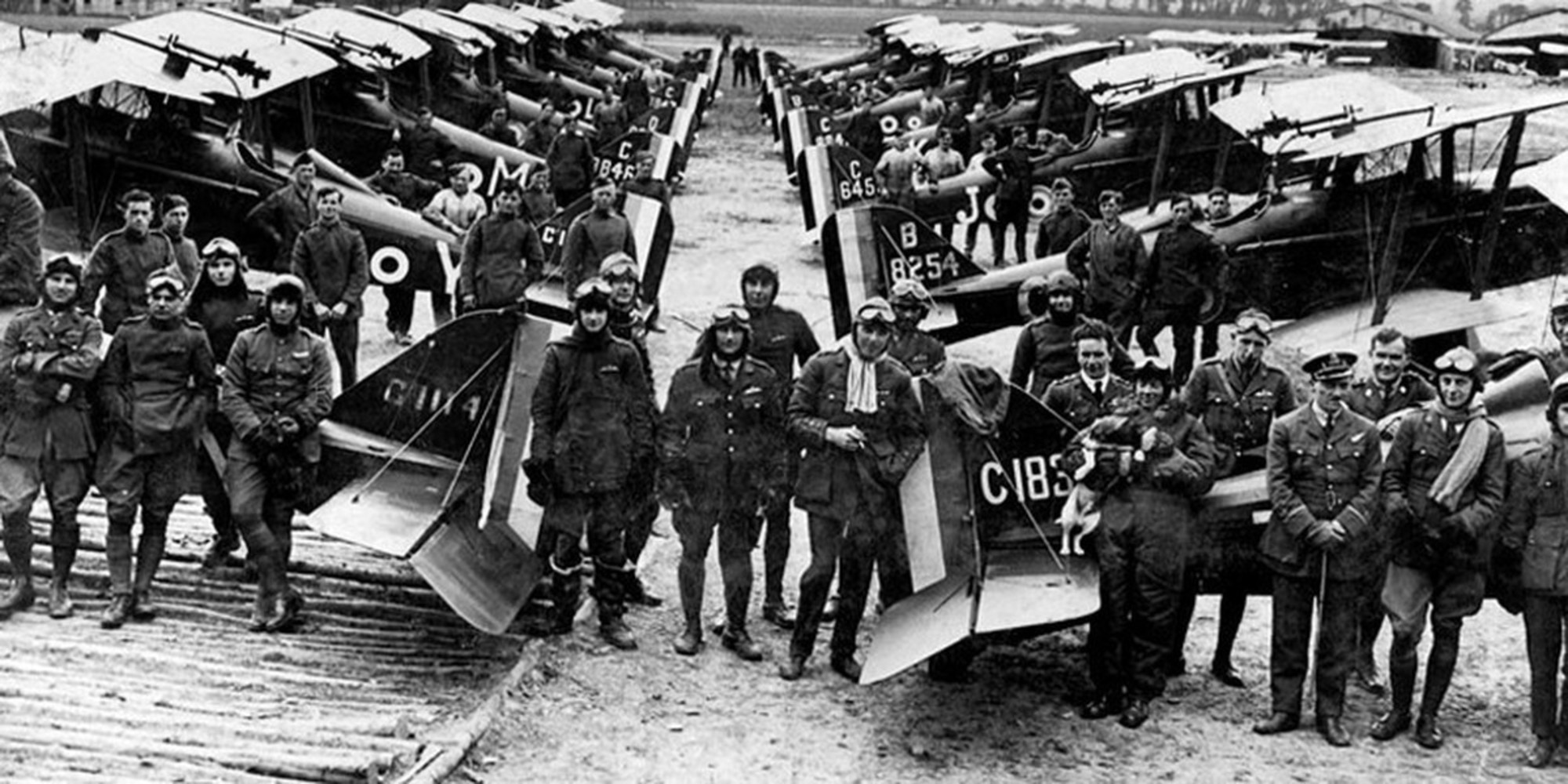
On April 1 1918 the Royal Air Force (RAF) is formed with the amalgamation of the Royal Flying Corps (RFC) and the Royal Naval Air Service (RNAS).The RAF took its place beside the British navy and army as a separate military service with its own ministry.In April 1911 eight years after Americans Wilbur and Orville Wright made the first flight of a self-propelled heavier-than-air aircraft an air battalion of the British armys Royal Engineers was formed at Larkhill in Wiltshire.The battalion consisted of aircraft airship balloon and man-carrying kite companies.
In December 1911 the British navy formed the Royal Naval Flying School at Eastchurch Kent.In May 1912 both were absorbed into the newly created Royal Flying Corps which established a new flying school at Upavon Wiltshire and formed new airplane squadrons.In July 1914 the specialized requirements of the navy led to the creation of RNAS.One month later on August 4 Britain declared war on Germany and entered World War I.
At the time the RFC had 84 aircraft and the RNAS had 71 aircraft and seven airships.Later that month four RFC squadrons were deployed to France to support the British Expeditionary Force.During the next two years Germany took the lead in air strategy with technologies like the manual machine gun and England suffered bombing raids and frustration in the skies against German flying aces such as Manfred von Richthofen The Red Baron.
Repeated German air raids led British military planners to push for the creation of a separate air ministry which would carry out strategic bombing against Germany.On April 1 1918 the RAF was formed along with a female branch of the service the Womens Royal Air Force.That day Bristol F.2B fighters of the 22nd Squadron carried out the first official missions of the RAF.By the wars end in November 1918 the RAF had gained air superiority along the western front.
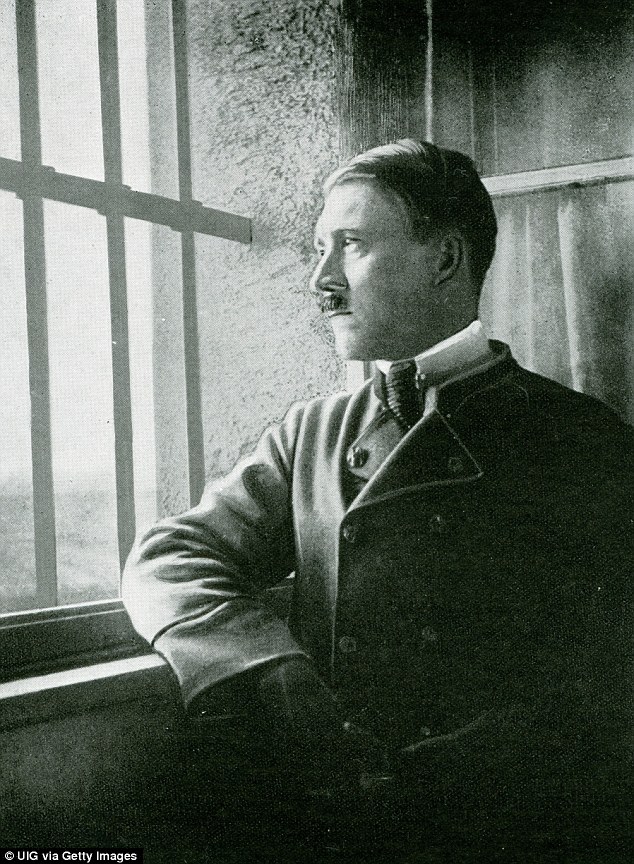
The strength of the RAF in November 1918 was nearly 300000 officers and airmen and more than 22000 aircraft.At the outbreak of World War II in September 1939 the operational strength of the RAF in Europe had diminished to about 2000 aircraft.In June 1940 the Western democracies of continental Europe fell to Germany one by one leaving Britain alone in its resistance to Nazi Germany.Nazi leader Adolf Hitler planned an invasion of Britain and in July 1940 ordered his powerful air forcethe Luftwaffeto destroy British ports along the coast in preparation.
The outnumbered RAF fliers put up a fierce resistance in the opening weeks of the Battle of Britain leading the Luftwaffe commanders to place destruction of the British air fleet at the forefront of the German offensive.If the Germans succeeded in wiping out the RAF they could begin their invasion as scheduled in the fall.During the next three months however the RAF successfully resisted the massive German air invasion relying on radar technology more maneuverable aircraft and exceptional bravery.For every British plane shot down two Luftwaffe warplanes were destroyed.
In October Hitler delayed the German invasion indefinitely and in May 1941 the Battle of Britain came to an end.British Prime Minister Winston Churchill said of the RAF pilots Never in the field of human conflict was so much owed by so many to so few.By the wars end in 1945 the strength of the RAF was nearly one million personnel.Later this number was reduced and stabilized at about 150000 men and women.