First appearance of Little Tramp
On this day in 1914 the silent film Kid Auto Races at Venice premieres in theaters featuring the actor Charlie Chaplin in his first screen appearance as the Little Tramp the character that would become his best-known onscreen alter ego.Born on April 16 1889 in England Chaplin became a professional performer by the age of 10.In 1908 he joined the Fred Karno pantomime troupe earning special notice for his portrayal of a character known as The Drunk.The troupe was touring the United States in 1913 when Chaplin was signed by Mack Sennett whose Keystone Studios was becoming known for its short slapstick comedy films.
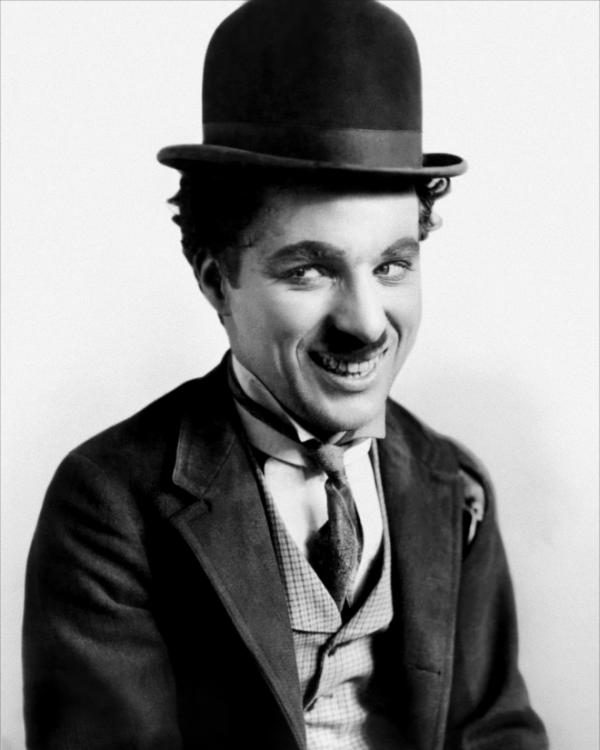
In his first Keystone comedy Making a Living Chaplin played a swindler complete with a sinister mustache and a monocle.The performance wasnt as funny as expected but Sennett gave his newest comic another chance casting him in Kid Auto Races at Venice.In preparation for filming Chaplin reportedly combed through the Keystone costume closets to create the now-famous look of the Little Tramp.Pants baggy coat tighthat small shoes large as he later described it in his autobiography.
To disguise the characters age he added a brush-like mustache over his lip.I had no idea of the character he wrote but the clothes and the makeup made me feel the person he was.In Kid Auto Races at Venice the Little Tramp goes to a childrens cart race held in Venice California where he interferes with the race and gets in the way of the cameraman trying to take pictures of the contestants.
Chaplin later refined the character which to many became inseparable from the actor and filmmaker himself.Kid Auto Races at Venice captures the Tramps essence as a part-comic part-tragic figure with a shuffling walk expressive face and exaggeratedly polite manners.Upon its release the film was an immediate hit and the Tramp was a sensation making Chaplin the most famous actor in Hollywood.After 35 Keystone comedies Chaplin moved on to ever-more lucrative contracts with Essanay Studios Mutual and First National before founding the United Artists studio in 1919 with his fellow actors Douglas Fairbanks and Mary Pickford and the director D.W.
Griffith.Chaplin would not always technically play a tramp but his characters invariably had a bit of the Tramp in them whether working as a waiter (1916s The Rink) a janitor (1918s Triple Trouble) or a gold prospector (1925s The Gold Rush considered by many to be Chaplins masterpiece).The Tramp himself made memorable appearances in a number of acclaimed hits including The Tramp (1915) The Kid (1921) The Circus (1928) and City Lights (1931).After the movies converted to sound in the late 1920s Chaplin held out for a while but finally gave his Tramp a voice in Modern Times (1936) he covered his British accent by singing nonsensical fake Italian lyrics.
Though Chaplin would make other films including The Great Dictator (1940) Monsieur Verdoux (1947) and Limelight (1952) Modern Times marked the last appearance of his immortal alter ego.