Wilson nominates Brandeis to the Supreme Court
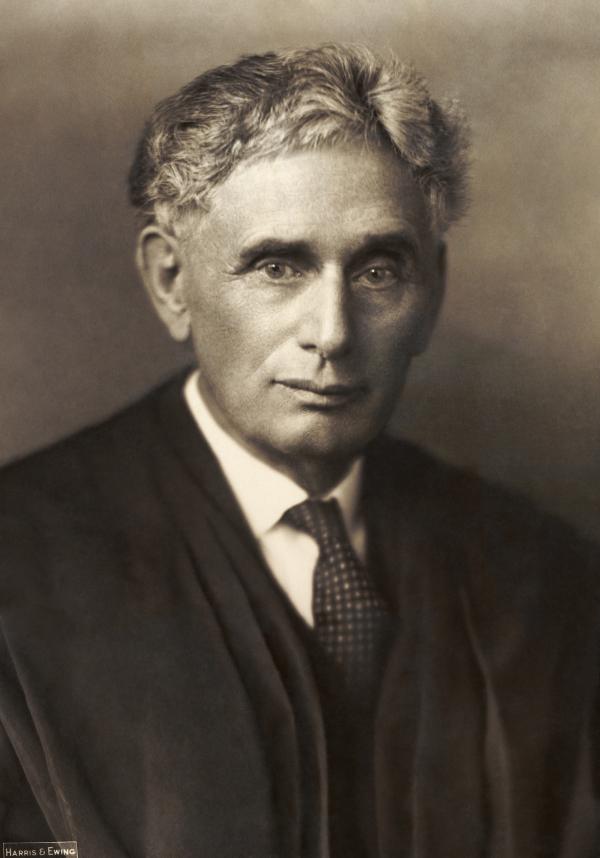
President Woodrow Wilson nominates Louis Brandeis to the Supreme Court on this day in 1916.After a bitterly contested confirmation Brandeis became the first Jewish judge on the Supreme Court.A graduate of Harvard Law School Brandeis quickly earned a reputation in Boston as the peoples attorney for taking on cases pro bono.
Brandeis advocated progressive legal reform to combat the social and economic ills caused in America by industrialization.He met Woodrow Wilson who was impressed by Brandeis efforts to hold business and political leaders accountable to the public during Wilsons 1912 campaign against Theodore Roosevelt.Brandeis early legal achievements included the establishment of savings-bank life insurance in Massachusetts and securing minimum wages for women workers.
He also devised what became known as the Brandeis Brief an appellate report that analyzed cases on economic and social evidence rather than relying solely on legal precedents.Brandeis emerged as the nations foremost judicial leader in an age of growing American industrial power and helped articulate Wilsons New Freedom political platform.Wilson and Brandeis shared liberal views on economic and social policy and also agreed that the federal government should take a hands off approach to managing the economy.
New Freedom policies encouraged the cultivation of healthy economic competition rather than the government spending time and money trying to control monopolies.In contrast Wilsons opponent Roosevelt urged the dismantling and direct regulation of monopolies.Upon Wilsons ascension to the presidency he looked to appoint men to the federal court who were not influenced by the big interests and had the superior rights of the public in mind.
Brandeis accepted President Wilsons appointment to the Supreme Court in 1916.His high-court rulings on the Bill of Rights and privacy law reflected his progressive politics.Although he and fellow justice Oliver Wendell Holmes were frequently the lone dissenters from the courts majority during the increasingly conservative 1920s and 1930s Brandeis colleagues later touted him as the greatest legal craftsman of his era.