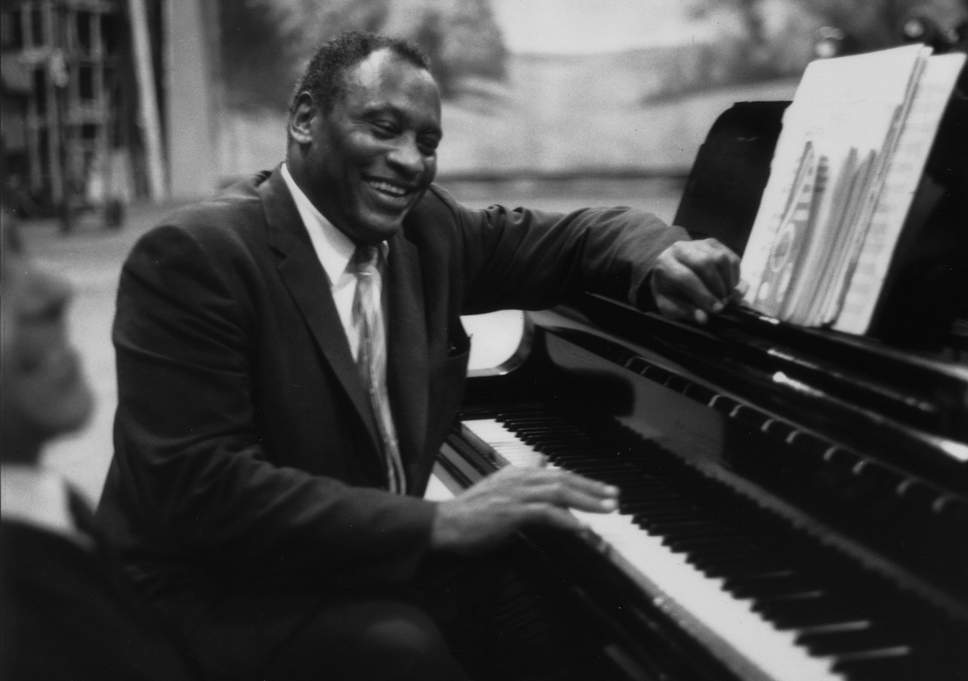
Singer, actor, athlete, activist Paul Robeson dies
The singer actor athlete and activist Paul Robeson dies at the age of 79 on January 23 1976.Robesons physical strength size and grace made him one of the elite sports figures of his generation but his stature in other fieldsmusic theater politics human rights eventually overshadowed his athletic greatness.On stage and screen his unique voice earned him universal artistic acclaim but when he raised it in support of Civil Rights and social justice his voice often aroused violent controversy.Paul LeRoy Bustill Robeson was born in Princeton New Jersey on April 9 1898 the son of a father born into slavery and a mother raised as a vocal abolitionist.Robesons academic and athletic achievements earned him a scholarship to Rutgers University in 1915 where he became not only a four-sport letterman and two-time All American football star but a member of Phi Beta Kappa and class valedictorianall of this while being only the third African-American student in school history.
Robeson moved to Harlem after graduation where he worked his way through Columbia University Law School as an actor and professional football player.By 1923 Robeson had passed the New York bar and earned critical raves on the London and Broadway stage.The lure of a promising career in law proved less compelling for Robeson than a career in the theater.Over the next twenty years Robeson established himself as one of the most important musical and dramatic performers of his day.
The role of Joe and the song Ol Man River in Show Boat were written for Robesons famous bass voice Robeson originated the title role in Eugene ONeills The Emperor Jones and he became the first African American to play Othello on Broadway.By the late 1940s Robesons international artistic reputation was well established but it was rivaled by his reputation as a political activist.Racism generally and the horror of racial lynching particularly were Robesons greatest concerns.
If his outspoken views on segregation didnt win him enough enemies in the United States his openly leftist leanings certainly did.Robeson traveled repeatedly to the Soviet Union beginning in the 1930sa history that led to the unconstitutional seizure of his passport and to his blacklisting following an appearance before the Joseph McCarthys House Un-American Activities Committee in 1950.When asked during those hearings why he did not simply move to the USSR Robeson offered a typically powerful response Because my father was a slave and my people died to build this country and I am going to stay right here and have a part of it just like you.