Cuban dictator Batista falls from power
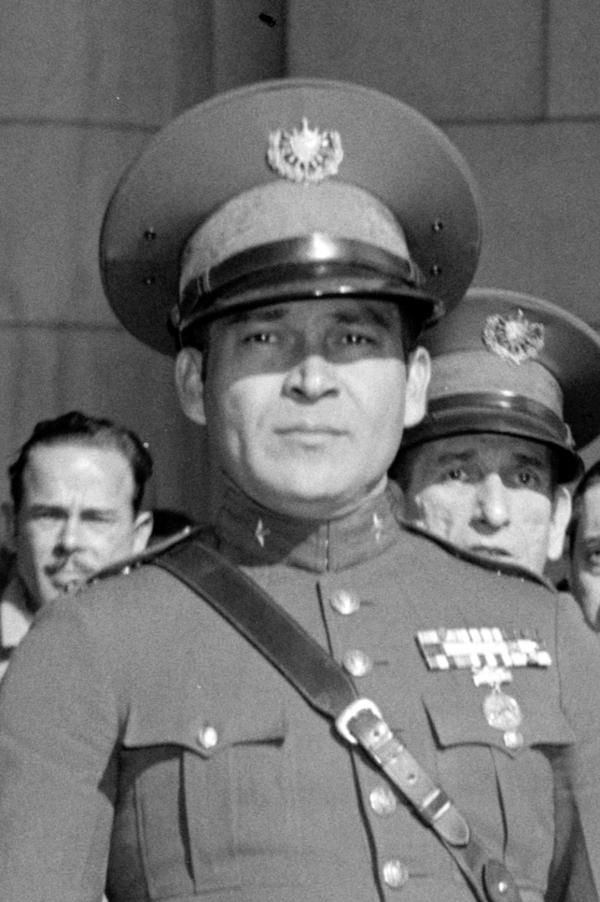
In the face of a popular revolution spearheaded by Fidel Castros 26th of July Movement Cuban dictator Fulgencio Batista flees the island nation.As celebration and chaos intermingled in the Cuban capitol of Havana U.S.policymakers debated how best to deal with the radical Castro and the ominous rumblings of anti-Americanism in Cuba.The United States government had supported the American-friendly Batista regime since it came to power in 1952.
After Fidel Castro together with a handful of supporters that included the professional revolutionary Che Guevara landed in Cuba to unseat Batista in December 1956 the U.S.continued to support Batista.Suspicious of what they believed to be Castros leftist ideology and fearful that his ultimate goals might include attacks on U.S.
investments and properties in Cuba American officials were nearly unanimous in opposing his revolutionary movement.Cuban support for Castros revolution however spread and grew in the late 1950s partially due to his personal charisma and nationalistic rhetoric but also because of the increasingly rampant corruption brutality and inefficiency within the Batista government.This reality forced U.S.
policymakers to slowly withdraw their support from Batista and begin a search in Cuba for an alternative to both the dictator and Castro.American efforts to find a middle road between Batista and Castro ultimately failed.On January 1 1959 Batista and a number of his supporters fled Cuba.
Tens of thousands of Cubans (and thousands of Cuban-Americans in the United States) joyously celebrated the end of the dictators regime.Castros supporters moved quickly to establish their power.Judge Manuel Urrutia was named as provisional president.
Castro and his band of guerrilla fighters triumphantly entered Havana on January 7.In the years that followed the U.S.attitude toward the new revolutionary government would move from cautiously suspicious to downright hostile.As the Castro government moved toward a closer relationship with the Soviet Union and Castro declared himself to be a Marxist-Leninist relations between the U.S.
and Cuba collapsed into mutual enmity which continued only somewhat abated through the following decades.