Emancipation Proclamation goes into effect
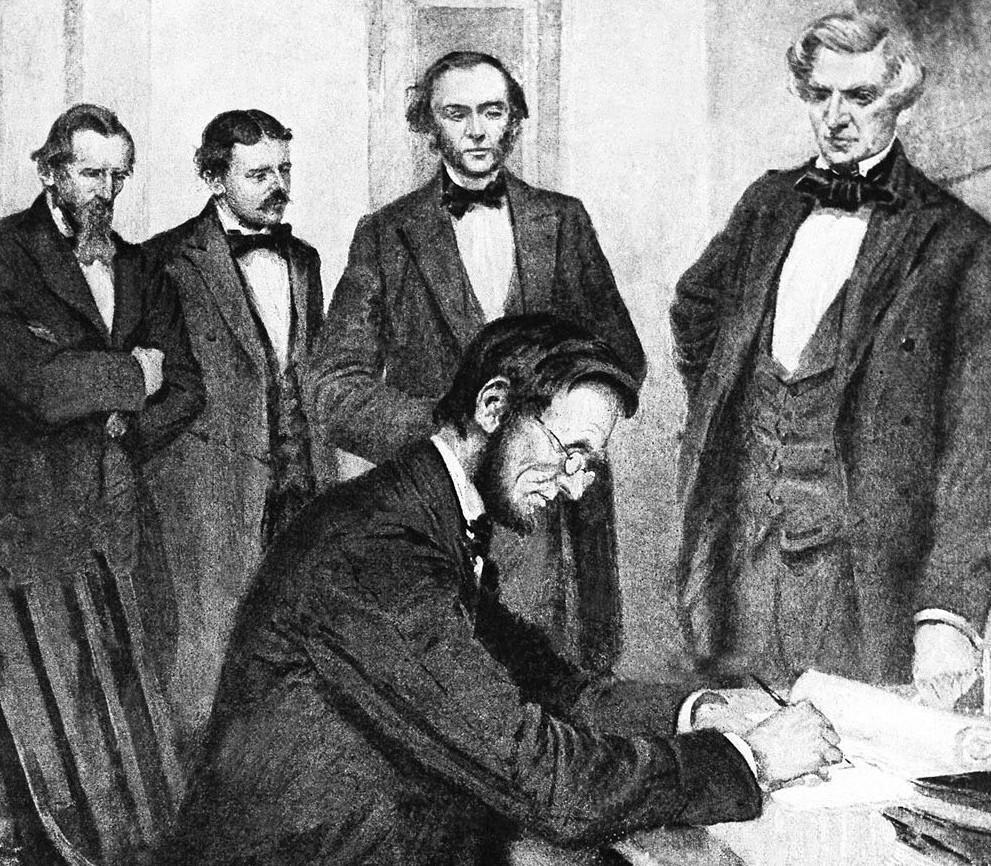
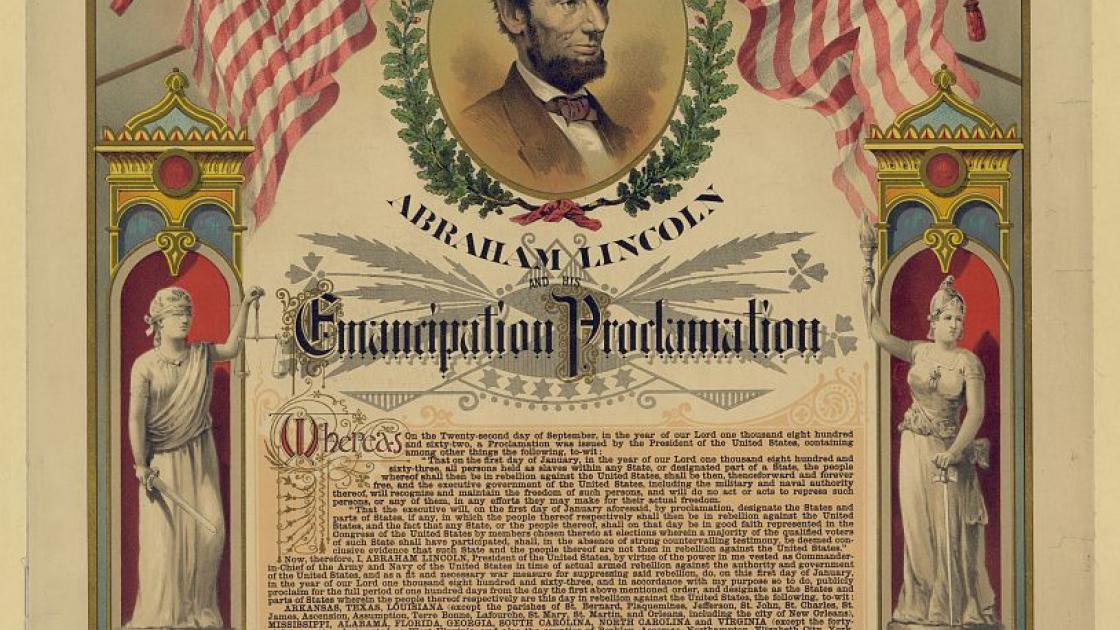
During the American Civil War President Abraham Lincoln issues the Emancipation Proclamation calling on the Union army to liberate all slaves in states still in rebellion as an act of justice warranted by the Constitution upon military necessity.These three million slaves were declared to be then thenceforward and forever free.The proclamation exempted the border slave states that remained in the Union at the start of the Civil War and all or parts of three Confederate states controlled by the Union army.As a Republican politician Lincoln had fought to isolate slavery from the new territories not outlaw it outright and this policy carried over into his presidency.
Even after the Civil War began Lincoln though he privately detested slavery moved cautiously on the emancipation issue.However in 1862 the federal government began to realize the strategic advantages of emancipation The liberation of slaves would weaken the Confederacy by depriving it of a major portion of its labor force which would in turn strengthen the Union by producing an influx of manpower.That year Congress annulled the fugitive slave laws prohibited slavery in the U.S.territories and authorized Lincoln to employ freed slaves in the army.
Following the major Union victory at the Battle of Antietam in September Lincoln issued a warning of his intent to issue an Emancipation Proclamation for all states still in rebellion on New Years Day.The Emancipation Proclamation transformed the Civil War from a war against secession into a war for a new birth of freedom as Lincoln stated in his Gettysburg Address in 1863.This ideological change discouraged the intervention of France or England on the Confederacys behalf and enabled the Union to enlist the 200000 African-American soldiers and sailors who volunteered to fight between January 1 1863 and the conclusion of the war.In 1865 the 13th Amendment to the Constitution formally abolished slavery.