Archduke Ferdinand assassinated
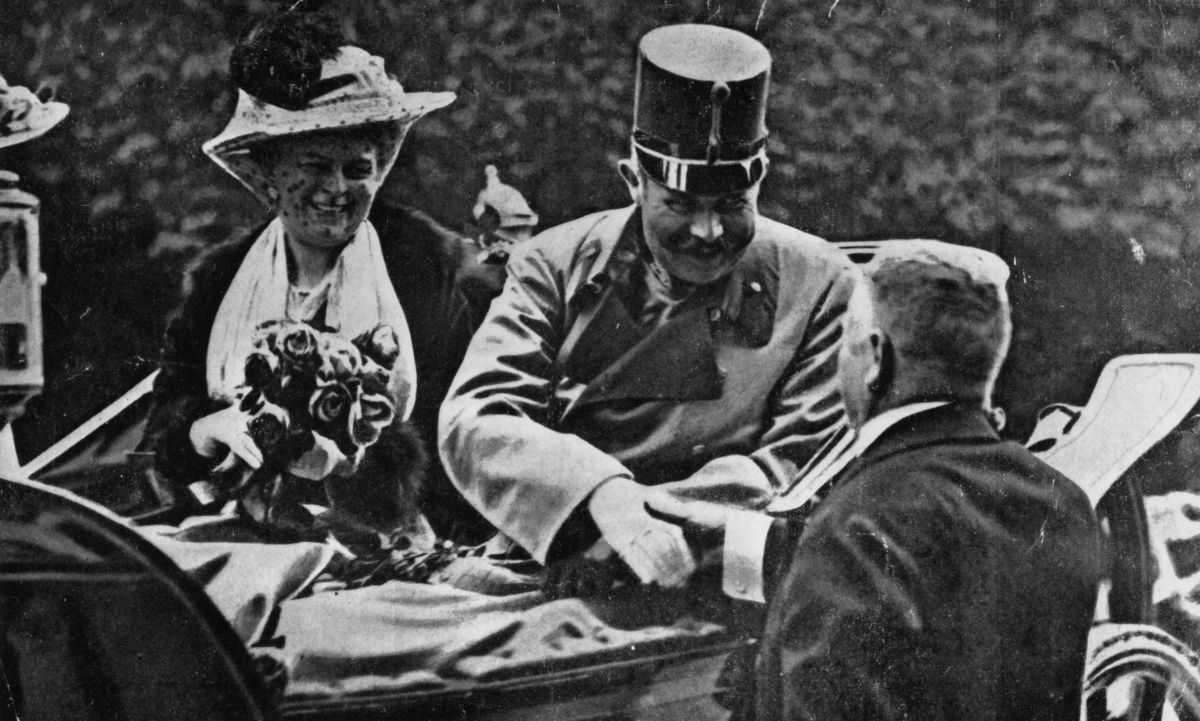
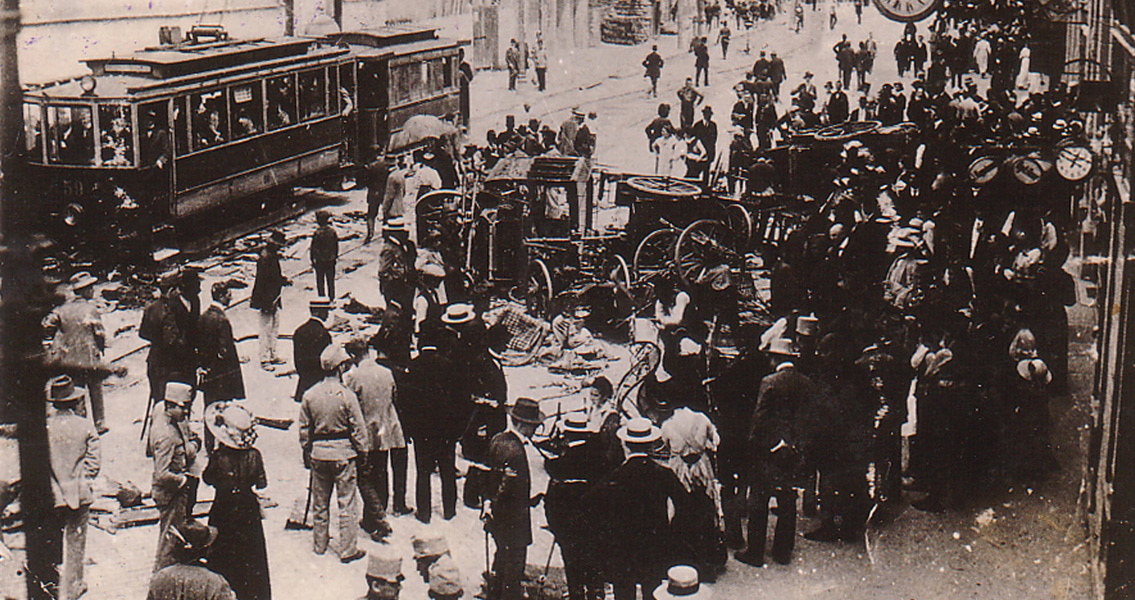
On this day in 1914 Archduke Franz Ferdinand of Austria and his wife Sophie are shot to death by a Bosnian Serb nationalist during an official visit to the Bosnian capital of Sarajevo.The killings sparked a chain of events that led to the outbreak of World War I by early August.On June 28 1919 five years to the day after Franz Ferdinands death Germany and the Allied Powers signed the Treaty of Versailles officially marking the end of World War I.The archduke traveled to Sarajevo in June 1914 to inspect the imperial armed forces in Bosnia and Herzegovina annexed by Austria-Hungary in 1908.
The annexation had angered Serbian nationalists who believed the territories should be part of Serbia.A group of young nationalists hatched a plot to kill the archduke during his visit to Sarajevo and after some missteps 19-year-old Gavrilo Princip was able to shoot the royal couple at point-blank range while they traveled in their official procession killing both almost instantly.The assassination set off a rapid chain of events as Austria-Hungary immediately blamed the Serbian government for the attack.As large and powerful Russia supported Serbia Austria asked for assurances that Germany would step in on its side against Russia and its allies including France and possibly Great Britain.
On July 28 Austria-Hungary declared war on Serbia and the fragile peace between Europes great powers collapsed beginning the devastating conflict now known as the First World War.After more than four years of bloodshed the Great War ended on November 11 1918 after Germany the last of the Central Powers surrendered to the Allies.At the peace conference in Paris in 1919 Allied leaders would state their desire to build a post-war world that was safe from future wars of such enormous scale.The Versailles Treaty signed on June 28 1919 tragically failed to achieve this objective.
U.S.President Woodrow Wilsons grand dreams of an international peace-keeping organization faltered when put into practice as the League of Nations.Even worse the harsh terms imposed on Germany the wars biggest loser led to widespread resentment of the treaty and its authors in that countrya resentment that would culminate in the outbreak of the Second World War two decades later.